The Evolution of Hip-Hop Recording Techniques at Anomaly Studios


The Birth of Hip-Hop Recording
In the late 1970s, hip-hop emerged from the streets of New York City, bringing a fresh sound that would revolutionize the music industry. The early recording techniques were raw, often utilizing basic equipment. DJs like Kool Herc and Grandmaster Flash played a pivotal role, using turntables to loop and mix tracks, laying the foundation for modern hip-hop production.

From Analog to Digital
The transition from analog to digital recording in the 1980s marked a significant evolution in hip-hop. Studios began adopting digital audio workstations (DAWs), allowing for more complex track layering and editing. This shift enabled producers to experiment with new sounds, leading to the iconic beats of artists like Run-D.M.C. and Public Enemy.
Digital technology made it easier to sample existing tracks, a hallmark of hip-hop music. Producers could now incorporate snippets of funk, soul, and jazz, creating rich, multi-layered compositions. This period saw the rise of legendary producers like Rick Rubin and Dr. Dre, who utilized digital advancements to craft their signature sounds.
The Golden Age and Beyond
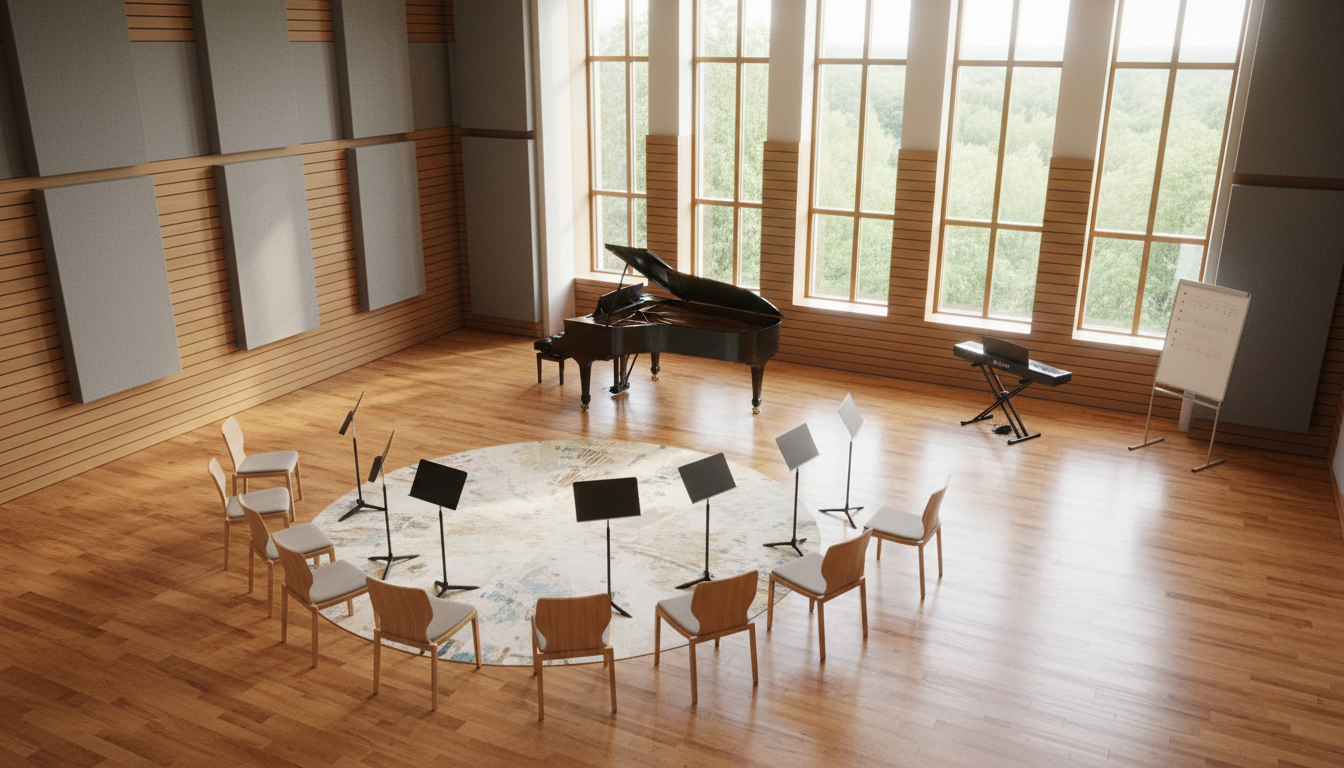
The 1990s are often referred to as the Golden Age of hip-hop, characterized by a diverse range of styles and innovative production techniques. Artists like Nas, Biggie, and Tupac pushed the boundaries of lyrical content and sound. Recording techniques became more sophisticated, with studios like Anomaly Studios leading the charge in exploring new production possibilities.
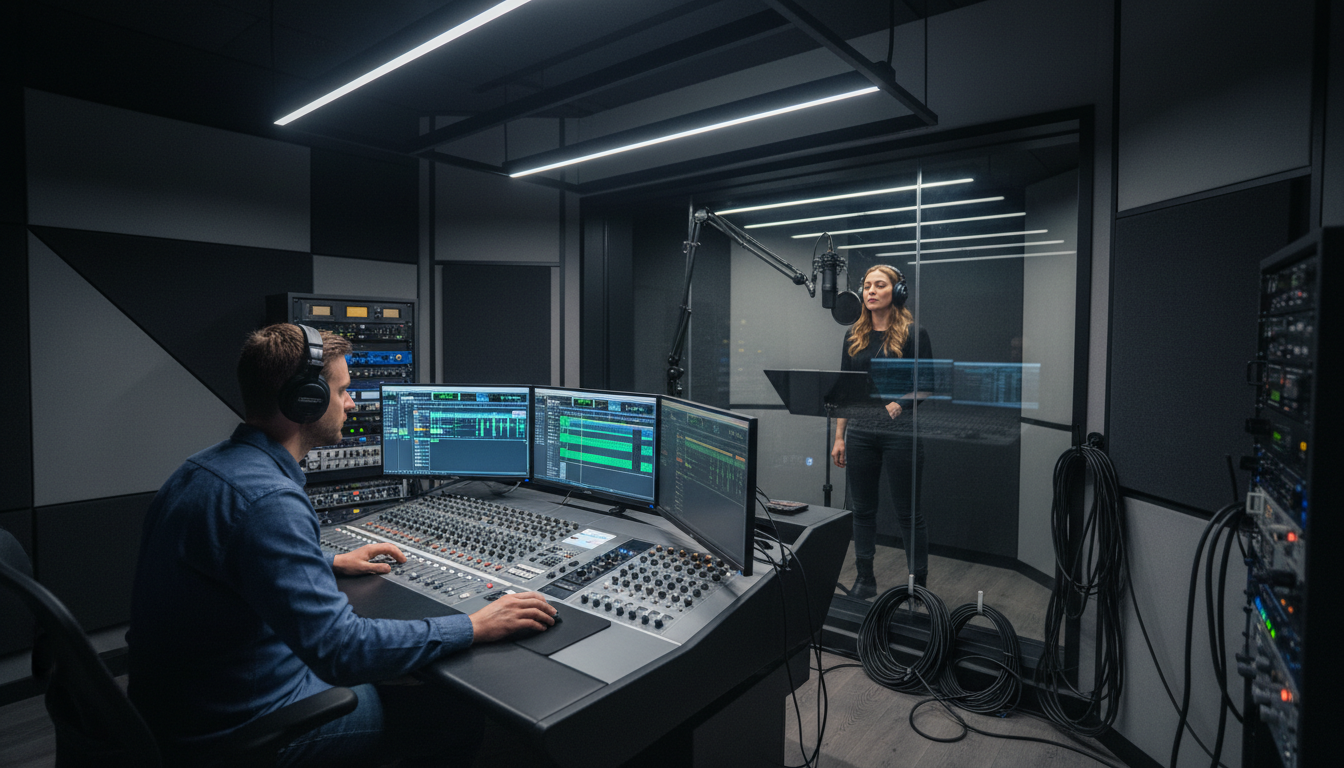
Anomaly Studios, in particular, became known for its cutting-edge technology and commitment to quality. The studio's engineers embraced the latest advancements, from high-fidelity microphones to advanced mixing consoles, ensuring that every track captured the essence of the artist's vision.
The Rise of Home Studios
The 2000s saw a democratization of music production as affordable equipment and software became widely available. Artists and producers could now create professional-quality recordings from their home studios. This shift led to the rise of independent artists and new subgenres within hip-hop.
At Anomaly Studios, the focus remained on supporting both emerging and established artists. By offering a blend of state-of-the-art equipment and expert guidance, the studio continued to be a hub for innovation and creativity in hip-hop recording.
The Future of Hip-Hop Recording
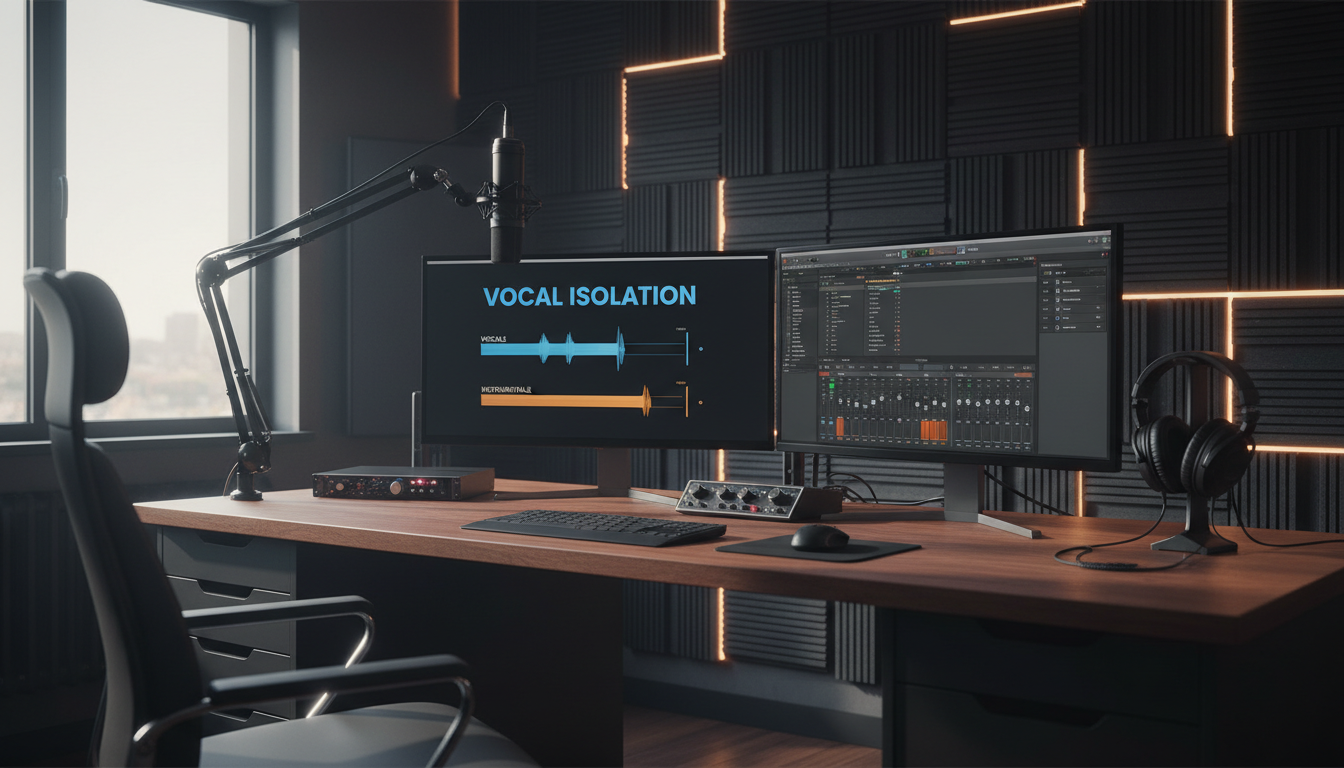
Today, hip-hop recording techniques continue to evolve rapidly. With the advent of virtual reality and artificial intelligence, the possibilities for music production are endless. Anomaly Studios remains at the forefront of these developments, constantly exploring new technologies to enhance the recording process.
Producers now have access to tools that can manipulate sound in unprecedented ways, from virtual instruments to AI-generated beats. This technological evolution ensures that hip-hop will remain a dynamic and ever-changing genre, reflecting the diverse voices and stories of its creators.
Conclusion
The journey of hip-hop recording techniques is a testament to the genre's resilience and adaptability. From its humble beginnings to the cutting-edge innovations of today, hip-hop continues to inspire and connect people across the globe. Anomaly Studios stands as a beacon of this evolution, dedicated to fostering the next generation of hip-hop talent.