How to Prepare for Your First Recording Session in Windermere


Understanding the Basics
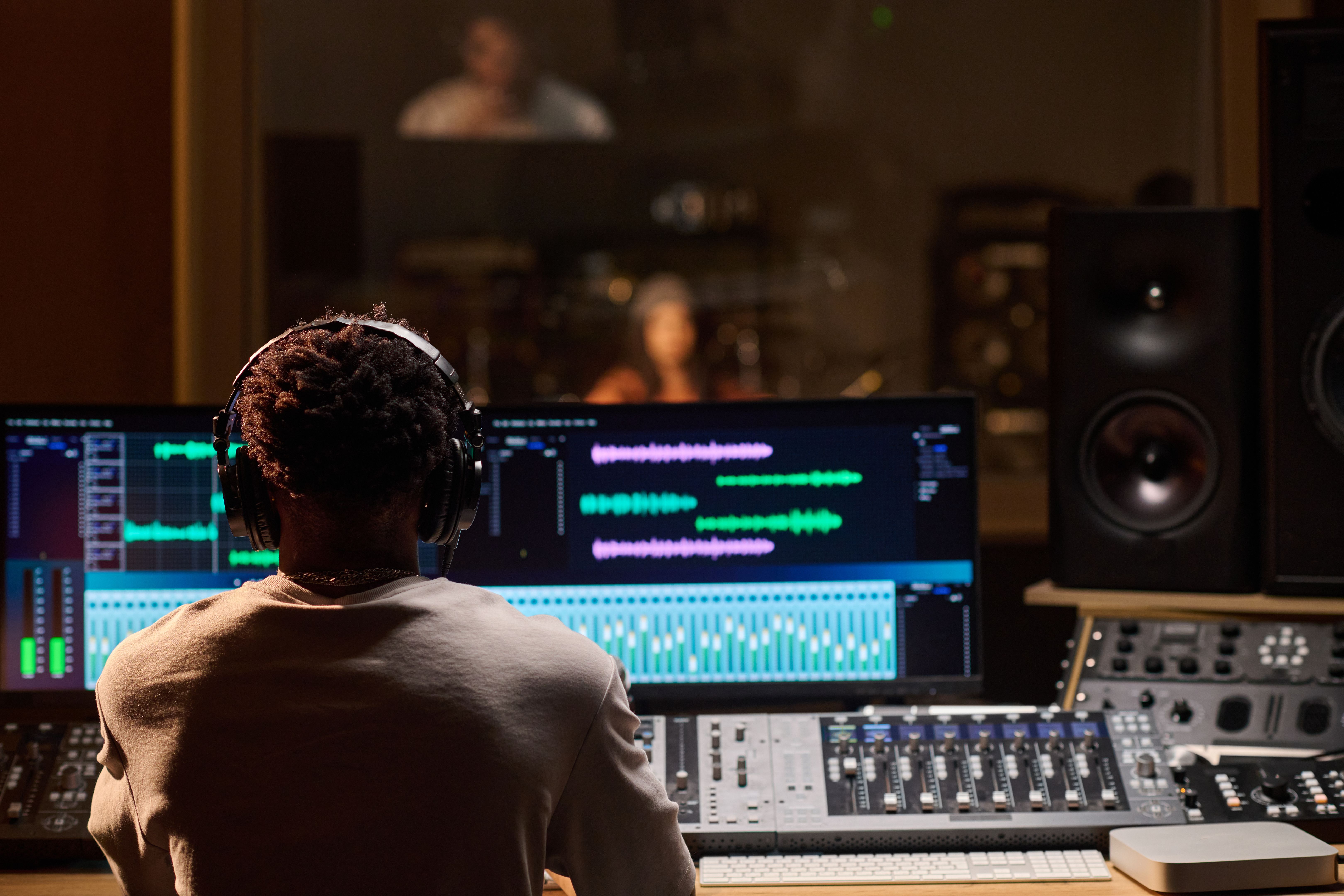
Preparing for your first recording session in Windermere can be an exciting yet daunting experience. Whether you're a musician, podcaster, or voice-over artist, the key to a successful session is preparation. Start by understanding the equipment and space you'll be working with. Familiarize yourself with the studio's layout, acoustics, and available gear.
It's also essential to know what you want to achieve during your session. Set clear goals and communicate them with the studio engineer. This will ensure that everyone is on the same page and working towards the same outcome.
Planning Your Material
Before stepping into the studio, make sure your material is well-rehearsed. This applies to musicians and podcasters alike. Practice your songs or scripts multiple times to ensure a smooth performance. Consider creating a checklist of all the tracks or segments you want to record, and prioritize them based on importance.
It's a good idea to have a backup plan. Be prepared to adapt if something doesn't go as expected. Flexibility can save you time and stress during your session.
Organizing Your Equipment
While most studios provide essential equipment, you may want to bring your own instruments, microphones, or other gear. Ensure everything is in working order and pack any necessary accessories like cables, tuners, or picks. Label your equipment clearly to avoid any mix-ups.

Preparing Your Voice
Whether you're singing, speaking, or playing an instrument, taking care of your voice is crucial. Stay hydrated and avoid dairy products or caffeine before your session, as they can affect your vocal quality. Warm up your voice with exercises to ensure it's in top condition.
Rest is equally important. Get a good night's sleep before your session to ensure your voice is fresh and energetic. Your performance will benefit greatly from a well-rested body and mind.
Collaborating with the Engineer
The studio engineer is your ally during the recording process. Discuss your vision and any specific requirements you might have. Their expertise can help bring your project to life, so don’t hesitate to ask for guidance or suggestions.
Establishing a good rapport with the engineer will make the session more enjoyable and productive. Be open to feedback and willing to make adjustments as needed.

Managing Time Effectively
Time management is critical in a recording session. Arrive early to set up and get comfortable in the space. Keep track of the time spent on each segment to ensure you cover everything on your list.
Breaks are important, too. Schedule short breaks to rest and recharge, but keep them brief to maintain momentum. Staying focused and organized will help you get the most out of your session.
Final Touches and Review
Once the recording is complete, take time to review the material with the engineer. Make any necessary adjustments and ensure you’re satisfied with the results. This is the time to address any concerns or make final tweaks.
After the session, reflect on what went well and what could be improved for next time. Each recording session is a learning experience, and taking notes will help you prepare even better in the future.