Exploring the Evolution of Hip-Hop Recording Techniques


The Birth of Hip-Hop: Analog Beginnings
In the late 1970s, hip-hop emerged from the streets of the Bronx, New York, as a vibrant cultural movement. The early days of hip-hop recording were characterized by *analog techniques*, primarily using 4-track tape machines. DJs like Kool Herc and Grandmaster Flash pioneered the art of sampling, looping beats from funk and soul records to create new soundscapes.
During this era, the emphasis was on creativity and innovation. Artists often recorded in makeshift studios, using limited equipment to capture their groundbreaking sounds. The focus was on live performances, where DJs and MCs collaborated to energize the crowd.
The Digital Revolution: Sampling and Drum Machines
The 1980s marked a significant shift with the introduction of **digital technology** in music production. Drum machines like the Roland TR-808 became staples in hip-hop, giving producers the ability to craft beats with precision. This era saw the rise of sampling, where producers could digitally manipulate and layer sounds, creating complex tracks.
Sampling allowed artists to pay homage to earlier musical styles while creating something entirely new. This period saw the rise of iconic producers like Rick Rubin and Dr. Dre, who pushed the boundaries of what hip-hop could achieve sonically.
The Golden Age of Hip-Hop
The late 1980s and early 1990s are often referred to as the "Golden Age" of hip-hop, a time characterized by diversity, quality, and innovation. Producers experimented with different recording techniques, utilizing both analog and digital tools to craft intricate beats and rhymes.
During this time, the use of **multitrack recording** became widespread, allowing for more layered and polished productions. Artists like Public Enemy and A Tribe Called Quest utilized these techniques to create genre-defining albums that still resonate today.
Modern Techniques: Software and Home Studios
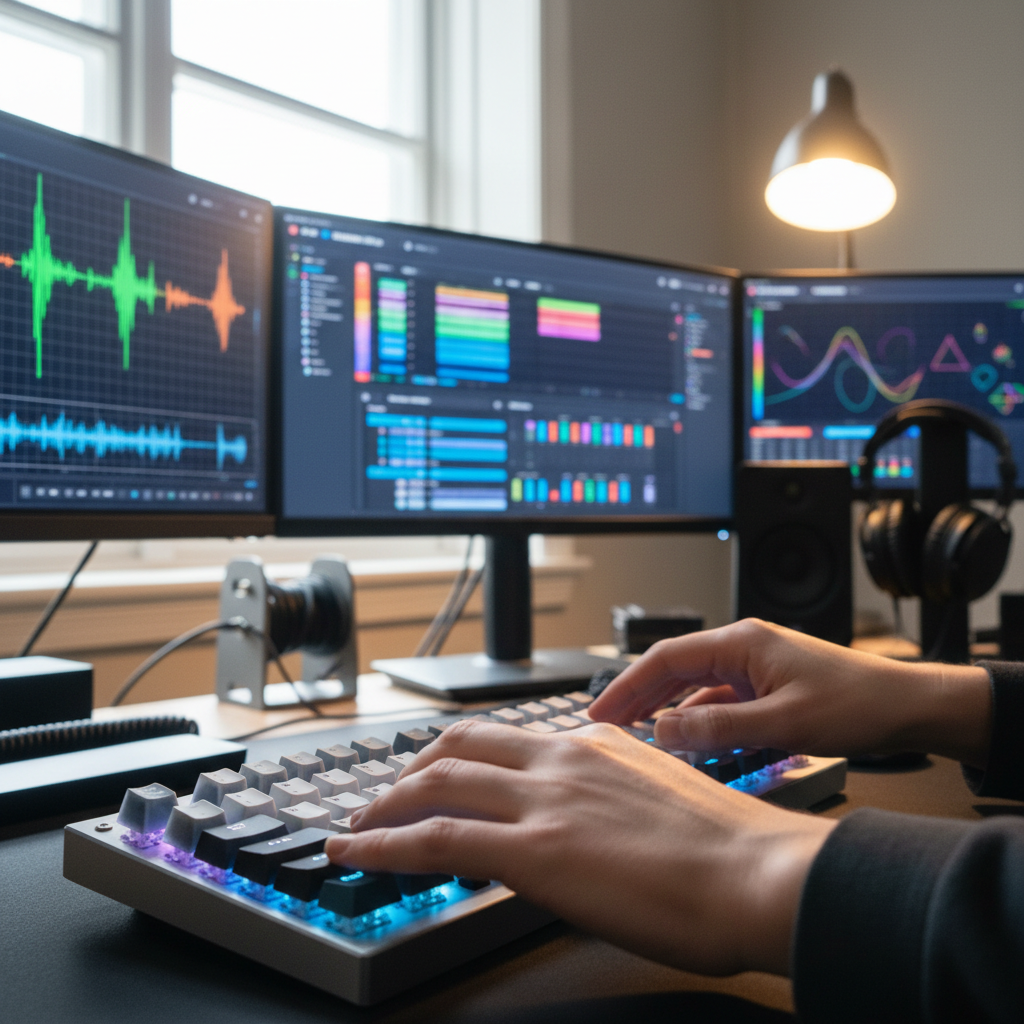
With the advent of the 21st century, hip-hop recording techniques evolved further with the development of **software-based production**. Digital Audio Workstations (DAWs) like Pro Tools and FL Studio became essential tools for producers, offering a range of possibilities for sound manipulation.
This accessibility has democratized music production, allowing artists to create professional-quality tracks from their home studios. The rise of platforms like SoundCloud has further enabled independent artists to share their music with a global audience.
The Role of Technology in Shaping Sound
Technology continues to play a crucial role in shaping the sound of hip-hop. Autotune, pitch correction, and other vocal processing tools have become standard in modern hip-hop, allowing artists to experiment with their vocal delivery.
Producers now have access to an array of virtual instruments and plugins that can replicate or enhance traditional sounds, offering endless creative possibilities. This fusion of technology and artistry continues to push hip-hop into new and exciting directions.
The Future of Hip-Hop Recording
As technology continues to evolve, the future of hip-hop recording looks promising. Emerging technologies like virtual reality and artificial intelligence are beginning to make their mark, potentially offering new ways for artists to create and perform music.
While the tools and techniques may change, the essence of hip-hop—creativity, innovation, and cultural expression—remains at the core. As artists continue to embrace new technologies, the evolution of hip-hop recording promises to be as dynamic and influential as its past.