Breaking Down the Myths: Common Misconceptions About Recording Studios


Introduction
Recording studios are often shrouded in mystery and misconceptions. Many people envision them as exclusive, high-tech spaces only accessible to top-tier musicians and producers. However, the reality is quite different, and understanding these spaces can be invaluable for aspiring artists and producers.
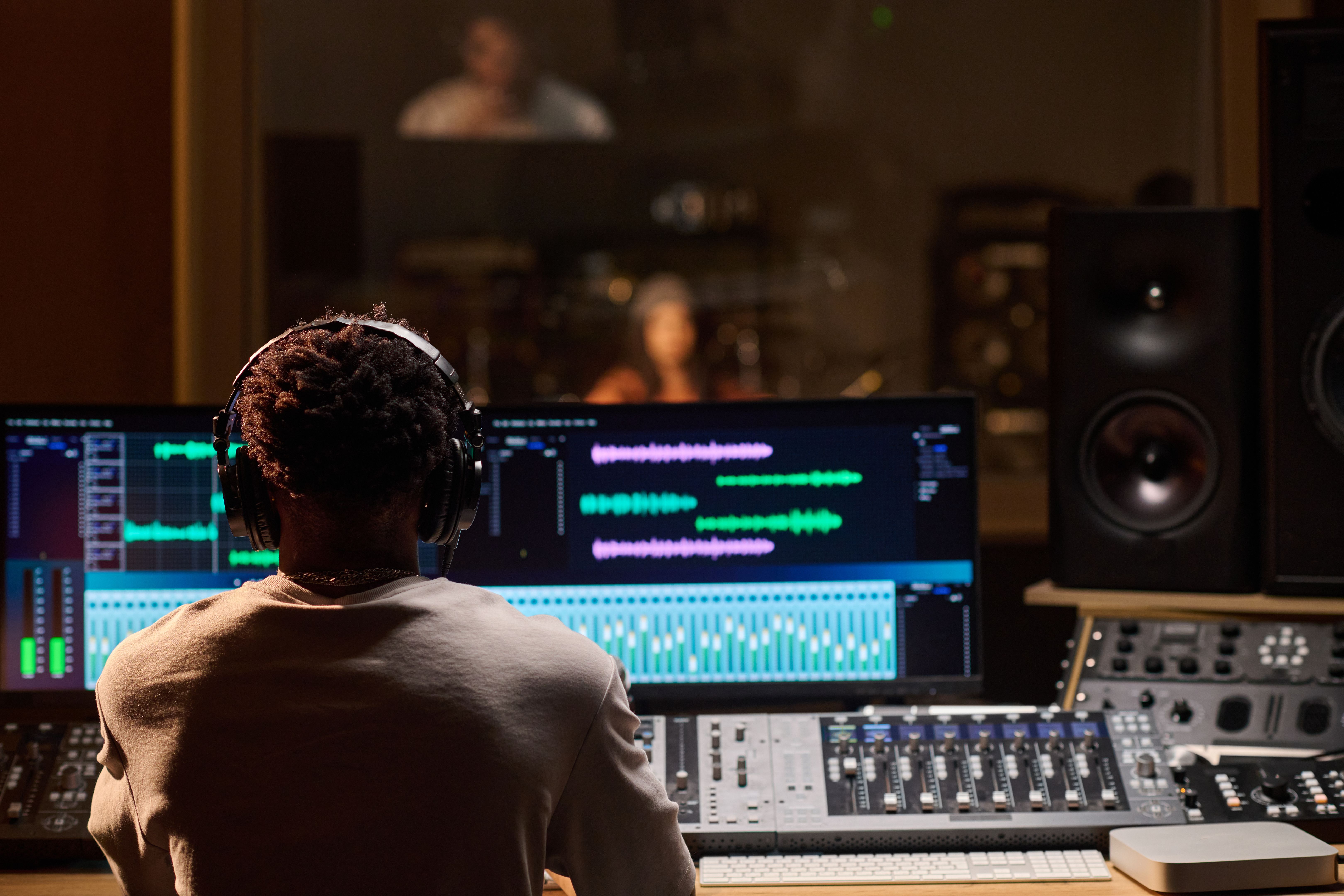
Myth 1: Recording Studios Are Only for Professionals
One of the most common misconceptions is that recording studios are only meant for professional musicians. In truth, studios cater to a wide range of clients, from beginners to seasoned artists. Many studios offer affordable rates and packages to accommodate different budgets and skill levels.
Whether you're a hobbyist or an emerging artist, recording studios can provide a professional environment to enhance your sound quality and production value. They offer the opportunity to learn from experienced engineers and producers who can guide you through the process.
Myth 2: You Need Expensive Equipment
There's a prevailing belief that high-end equipment is a necessity for quality recordings. While professional studios do invest in state-of-the-art gear, it's not always required to produce great music. Many studios offer a range of equipment options to fit different needs and budgets.

Moreover, the expertise of the sound engineer often plays a more critical role than the equipment itself. Skilled engineers can maximize the potential of any gear, ensuring that you get the best possible sound.
Myth 3: Studios Are Intimidating and Unwelcoming
Some people feel that recording studios can be intimidating, imagining them as sterile, high-pressure environments. However, most studios strive to create a welcoming and creative atmosphere. The aim is to make artists feel comfortable and inspired, fostering creativity and collaboration.
Studios often have cozy lounges, friendly staff, and a relaxed vibe to help clients feel at ease. This nurturing environment is designed to make the recording process enjoyable and productive.

Myth 4: Recording Studios Are Only for Music
While music production is a primary function, recording studios offer a variety of services beyond just music recording. They are often used for voice-over work, podcast production, audio books, and even sound design for film and television.
- Voice-overs for commercials and animation.
- Podcast recording with professional editing and mixing.
- Sound design for multimedia projects.
This versatility makes recording studios valuable for a wide range of audio projects.
Myth 5: DIY Recording Is Just as Good
With advances in technology, many artists opt for DIY recording at home. While this can be a great starting point, professional studios offer advantages that home setups often can't match. These include acoustically treated rooms, high-quality microphones, and expert mixing and mastering services.
Working in a professional studio can elevate your project, providing a polished and refined final product that stands out in the competitive music industry.
Conclusion
Recording studios are accessible, versatile, and welcoming spaces that offer numerous benefits to artists of all levels. By breaking down these common myths, aspiring musicians and producers can take full advantage of the resources and expertise that studios provide. Whether you're recording your first demo or producing a full album, the right studio can make all the difference in your creative journey.